Tickets online
Pick a day and time, pay by card and get your ticket by email, with a QR code.
Reduced prices for pupils, students and groups
Adult16 lei
Buy tickets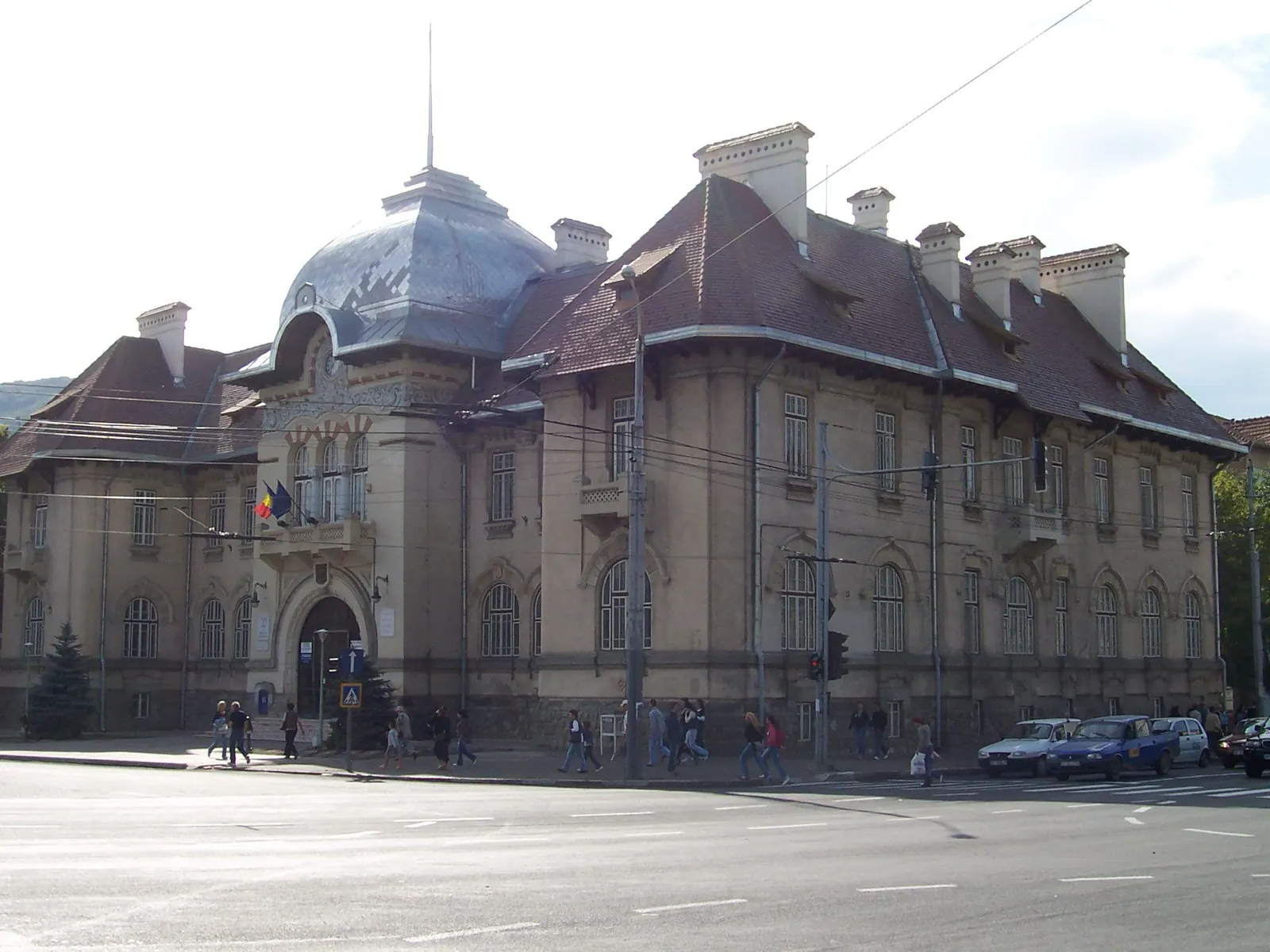
Closed now, opens today at 10:00
Pick a day and time, pay by card and get your ticket by email, with a QR code.
Reduced prices for pupils, students and groups
Adult16 lei
Buy ticketsThe core unit of the Neamț National Museum Complex, descended from the 'Cozla Regional Museum' (1920) and the Regional Archaeological Museum founded in 1934 by priest-archaeologist Constantin Matasă.
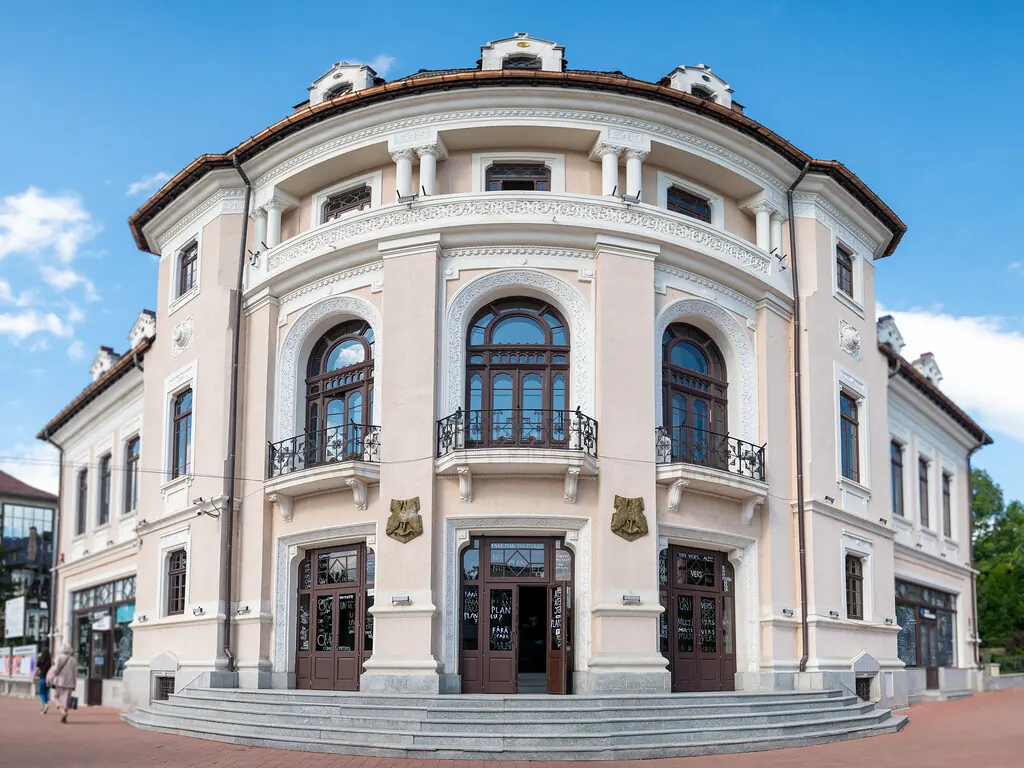
The core unit of the Neamț National Museum Complex, descended from the 'Cozla Regional Museum' (1920) and the Regional Archaeological Museum founded in 1934 by priest-archaeologist Constantin Matasă. It occupies the former Administrative Palace (1910–1912, engineer Ștefan Burcuș), a listed monument. Its collections exceed 70,000 items, including Neolithic–Eneolithic finds from Poduri-Dealul Ghindaru, Izvoare, Bodești-Frumușica and Ghelăiești-Nedeia and a coin collection of almost 12,000 pieces. The chronological permanent exhibition starts with the Palaeolithic and was reopened after conservation works.
Colecția neo-eneolitică din siturile Poduri, Izvoare, Bodești-Frumușica, Ghelăiești
Colecția numismatică (~12.000 monede, majoritatea daco-romane)
Sala 1: Paleoliticul – era vânătorului nomad
Descoperirile dacice de pe Dealul Cozla / Bâtca Doamnei
Clădirea Palatului Administrativ (1910–1912), monument istoric NT-II-m-B-10560
Tur virtual și scanare 3D a expoziției
| Monday | Closed |
|---|---|
| Tuesdaytoday | 10:00–18:00 |
| Wednesday | 10:00–18:00 |
| Thursday | 10:00–18:00 |
| Friday | 10:00–18:00 |
| Saturday | 10:00–18:00 |
| Sunday | 10:00–18:00 |
Tuesday – Sunday: 10:00–18:00 (April – September), 9:00–17:00 (October – March). Closed on Mondays.
23 May–31 December
A travelling exhibition on the first human wintering in Antarctica, aboard the Belgica (1897–1899), produced with the Grigore Antipa National Museum of Natural History. The objects include pieces that belonged to Emil Racoviță, the expedition's biologist.